
Electric Vehicle (EV) Charger Installation in New Hampshire
Make Home Charging
Faster, Safer, and Easier
Relying on public charging stations can become frustrating when chargers are occupied, inconveniently located, or more costly than expected. A professionally installed home EV charger allows you to plug in where you normally park and start each day with the driving range you need.
Whether you drive a Tesla, Ford, Kia, Rivian, Chevrolet, Hyundai, or another electric vehicle, our team provides residential EV charger installation based on your New Hampshire property, electrical system, vehicle requirements, and daily driving routine.
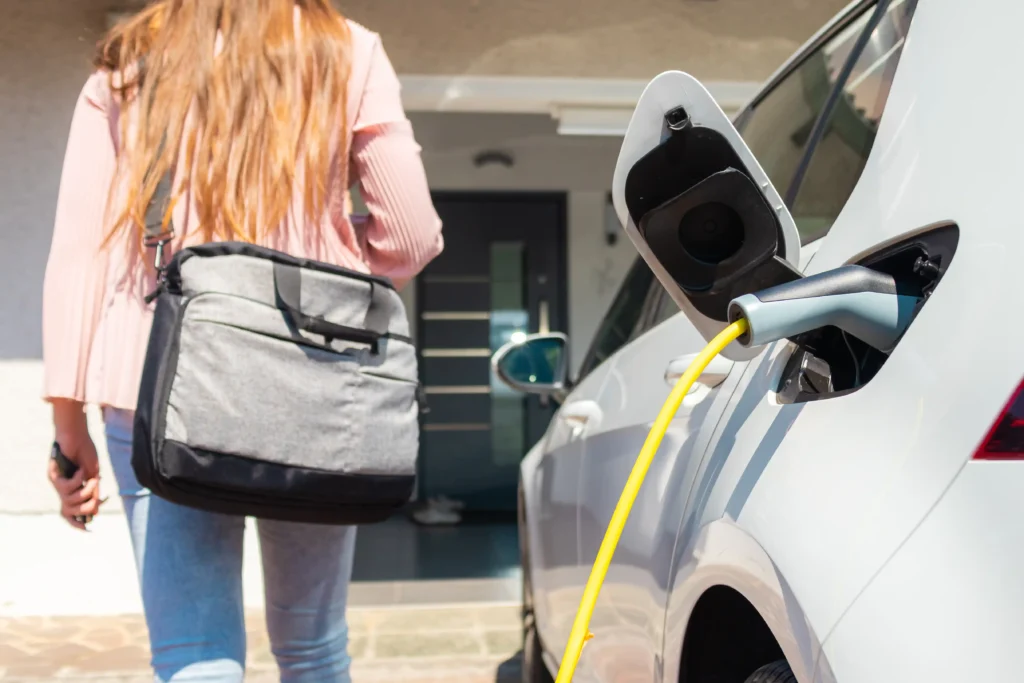
Charge Your EV on Your Own Schedule
How Residential Electric Car Charger Installation Works
A residential EV charger connects directly to your home’s electrical system, helping your vehicle recharge more efficiently and consistently than it would through a standard household outlet. Many New Hampshire homeowners choose Level 2 charging equipment because it provides increased charging capacity and makes overnight charging much more practical.
With a properly installed electric vehicle charging station, you can spend less time locating available public chargers and more time charging from your own garage, driveway, carport, or private parking area. It is a practical home upgrade that can make electric vehicle ownership more convenient in every season.
Leave Home With the Range You Need
Why New Hampshire EV Owners Are Choosing Home Chargers
Residential electric vehicle charger installation provides EV owners with dependable charging access, improved flexibility, and greater control over their everyday routines.
Recharge your vehicle faster with a professionally installed Level 2 EV charger
Start the morning with more available range and fewer charging worries
Spend less time waiting at busy or inconvenient public charging stations
Plug in from the garage, driveway, carport, or parking space you already use
Add a modern property feature that may appeal to future homebuyers
Coordinate vehicle charging with compatible solar or energy-storage upgrades
Professional Installation for Dependable Home Charging
What Is Included With EV Charger Installation
Installing an EV charging station requires more than mounting a charger on the wall. The work may involve electrical load calculations, dedicated circuit installation, appropriate breaker protection, safe wiring, code-compliant workmanship, and a careful review of how your electrical system will support regular vehicle charging.
New Hampshire Installation Experience
We help homeowners throughout New Hampshire while considering local permit procedures, electrical codes, utility requirements, seasonal conditions, property layouts, and residential parking arrangements.
Qualified EV Charger Technicians
Our technicians install charging equipment according to applicable electrical requirements, manufacturer instructions, and the specific needs of your vehicle, charger, and property.
Clear and Straightforward Estimates
Before the work begins, you receive understandable recommendations and transparent pricing so you know what the installation involves and why each component may be required.
Reliable Residential Charging Equipment
We install dependable EV charging solutions chosen for safe daily use, consistent charging performance, and long-term operation in residential settings.
Help With Permits and Inspections
Our team can help coordinate applicable electrical permits and inspection requirements, allowing the project to move forward correctly and with fewer complications.
Continued Support After Installation
After the installation is complete, we remain available to answer questions and help you understand how to operate and maintain your new home charging equipment.
Charging Solutions Matched to Your Property
We recommend charging equipment based on your EV model, electrical panel capacity, parking location, average mileage, preferred charging schedule, and possible plans for another electric vehicle.
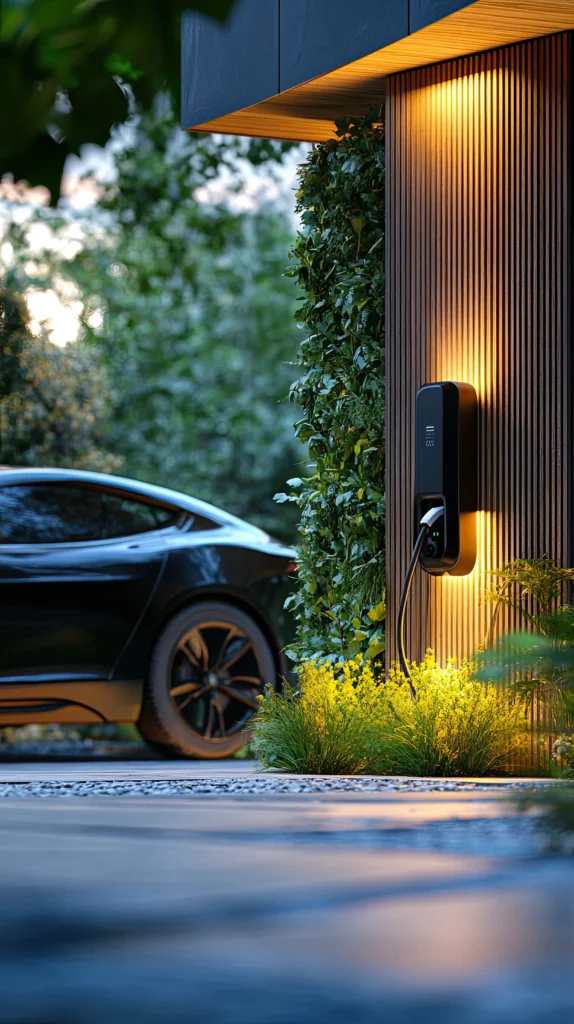
A Practical Upgrade for Your Property
Why a Home EV Charger Offers Long-Term Value
A residential EV charger provides more than faster charging. It becomes part of your home’s electrical and energy infrastructure, giving your household a convenient way to support electric transportation now while preparing for changing energy needs in the future.
As electric vehicle adoption grows throughout New Hampshire, more homeowners are looking for dependable charging options that do not require planning their schedules around public stations. Installing a residential charging system can make everyday travel easier while helping your property accommodate newer transportation technology.
Home charging can also work alongside other energy-related improvements. If you are considering rooftop solar, battery storage, smart electrical controls, or a second EV, your charger can become part of a more coordinated and efficient household energy system.
Get Your Free EV Charger Installation Quote
Join New Hampshire homeowners who are making electric vehicle charging quicker, easier, and more reliable with professional home electric car charger installation.
Schedule a free consultation to learn how a residential charging station can help you recharge overnight, reduce your dependence on public stations, and keep your vehicle ready for work commutes, errands, weekend travel, and longer road trips.
Frequently Asked Questions
Frequently Asked Questions About Residential EV Charger Installation
Whether you recently purchased your first electric vehicle or want to improve your current charging setup, these answers explain what you can expect when installing a residential EV charger.
How long does home EV charger installation take?
Many residential EV charger installations can be completed within one day. The exact timeline depends on the electrical panel, charger placement, wiring distance, permit requirements, and whether additional electrical work is necessary. We review the expected schedule before installation begins.
Does my electrical panel have enough capacity for an EV charger?
Some New Hampshire homes have enough available electrical capacity to support Level 2 charging, while others may require a panel upgrade, load-management device, dedicated subpanel, or another modification. During the assessment, our team evaluates your electrical system and explains what is needed for a safe installation.
Can one charger work with Tesla and other EV brands?
Yes. Many modern EV charging stations can support vehicles from several manufacturers. Depending on the vehicle, charger, and connector standard, an adapter may be required. We can help you select equipment that works with your current vehicle while considering EVs you may own later.
Are incentives or rebates available for EV charger installation?
Some New Hampshire homeowners may qualify for utility incentives, equipment rebates, managed-charging programs, electrical upgrade assistance, tax benefits, or other energy-related programs. Availability, funding, and eligibility requirements may change. We can help you identify programs worth reviewing, but qualification is determined by the individual program provider.
Will my EV charger operate during a power outage?
A standard home EV charger relies on electricity from the property, so charging will stop during an outage. Charging may remain possible when the home has a properly designed battery backup, generator connection, or compatible stored-energy system. If backup power is part of your plans, we can discuss how EV charging may fit into the overall system.
Not Sure Which EV Charger to Choose?
Our team can explain available charger types, evaluate installation requirements, and help you select a suitable home charging solution for your electric vehicle and New Hampshire property. Get clear, practical guidance without pressure or obligation.